
Tanzania Safaris
Private safaris in Tanzania, planned by a local team
Tanzania, with a route that fits the distances
Tanzania is big. Wildebeest move across the Serengeti, animals live on the floor of the Ngorongoro Crater, and elephants gather along the Tarangire River. The country rewards a plan: too many parks in too few days means a lot of time in the car.
Tell us your dates and how far you want to drive each day, and we will shape the route.
Why choose Tanzania for your safari?
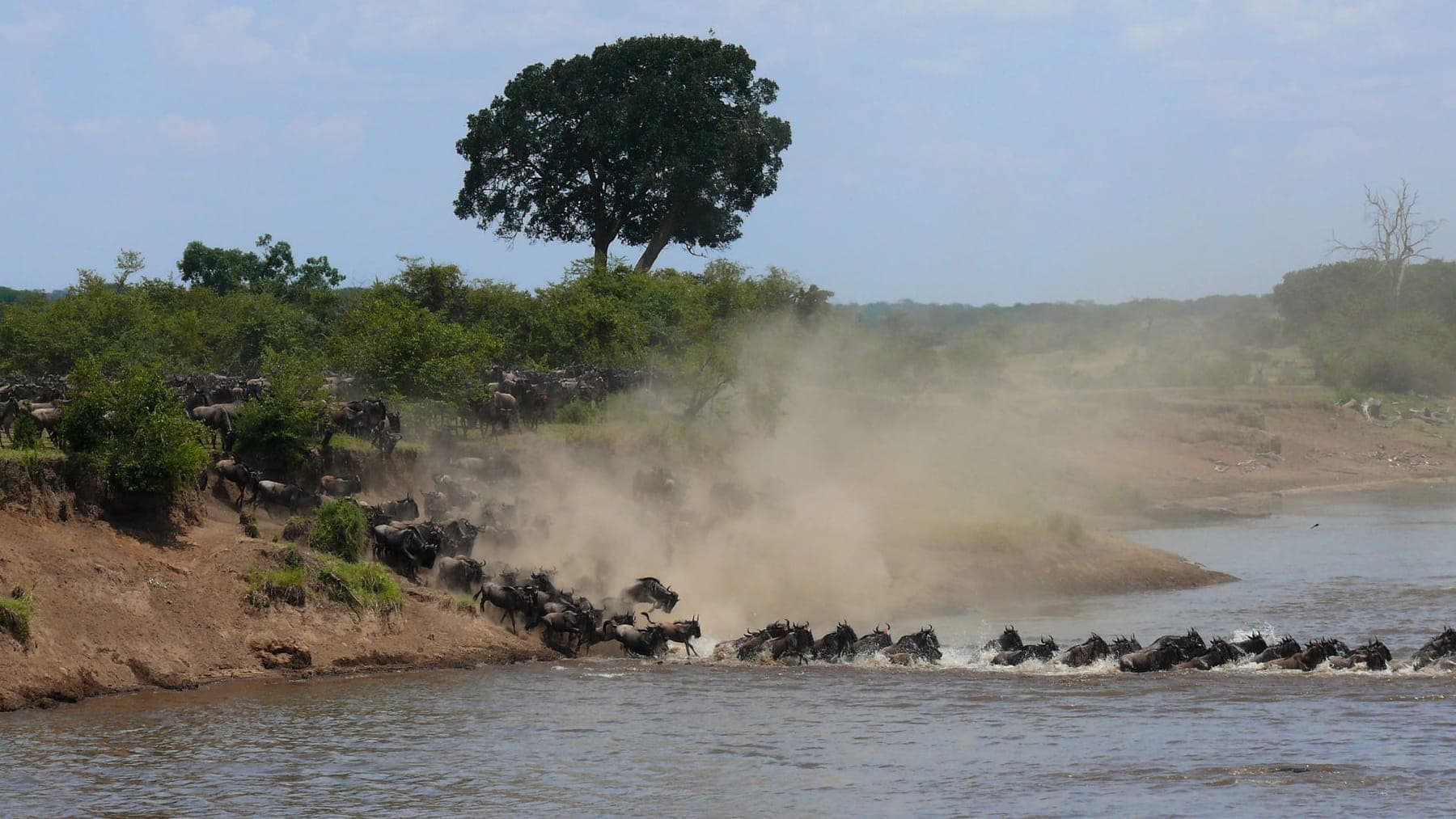
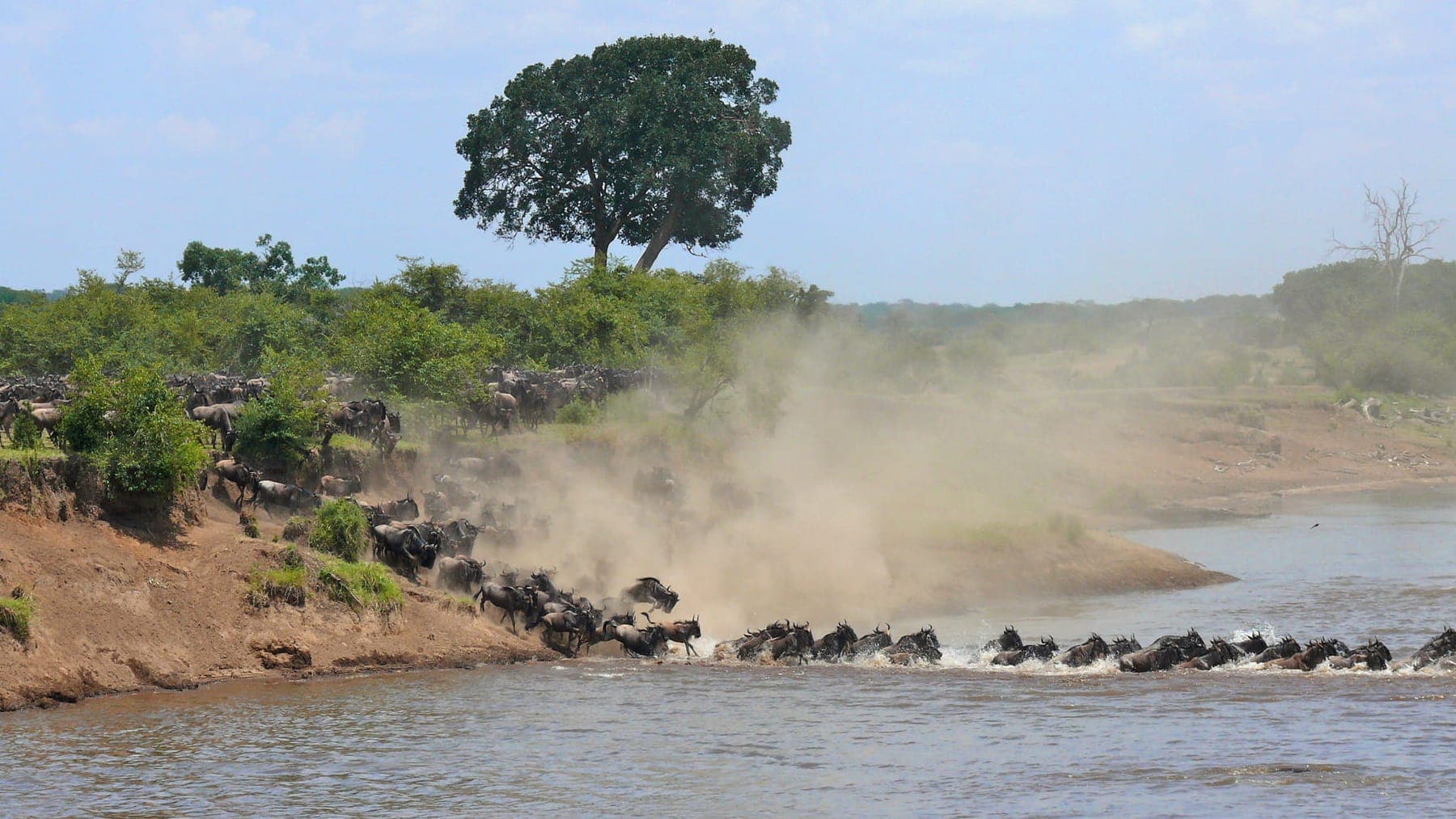
The Great Migration
Herds of wildebeest, zebra and gazelle circle the Serengeti and the Maasai Mara through the year, so there is something happening in every season.
Ngorongoro Crater
A collapsed volcano whose floor holds a dense mix of wildlife. It is one of the more dependable places in East Africa to see the Big Five.
Busy north, quiet south
The northern circuit is the classic. Ruaha and the southern parks see far fewer vehicles.
Safari then Zanzibar
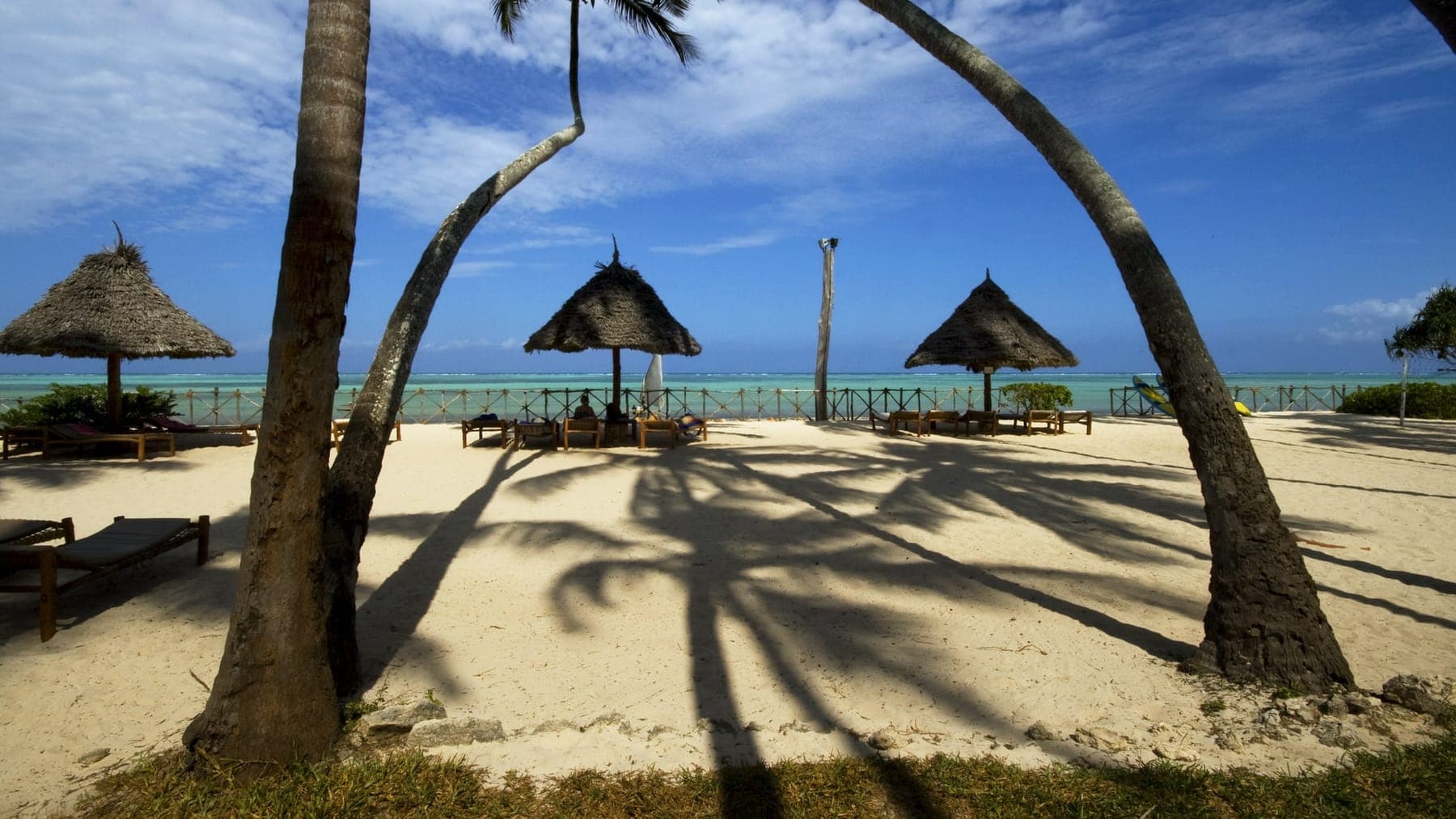
Beaches, Stone Town and spice farms are a short flight from the parks.
Culture
On selected routes you can spend time with the Maasai, the Datoga or the Hadzabe. Ask your guide how to visit respectfully, and ask before you photograph anyone.
Where should you go in Tanzania?
Serengeti National Park
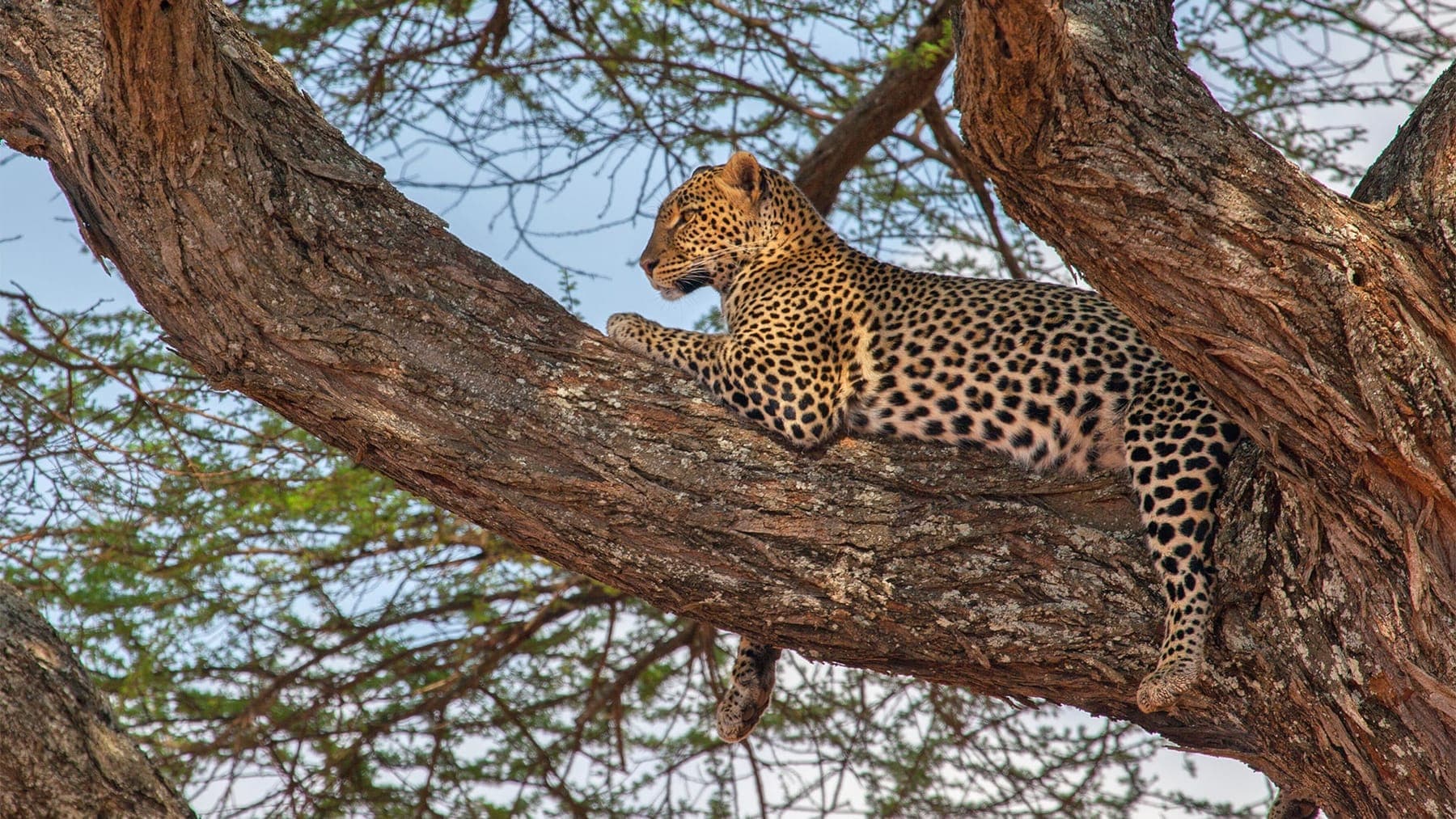
The flagship park, with lions, leopards, elephants and giraffe. Most of the migration passes through.
Ngorongoro Crater
You drive down into the crater for a full day of game viewing. Rhinos and lions are among the draws.
Tarangire National Park
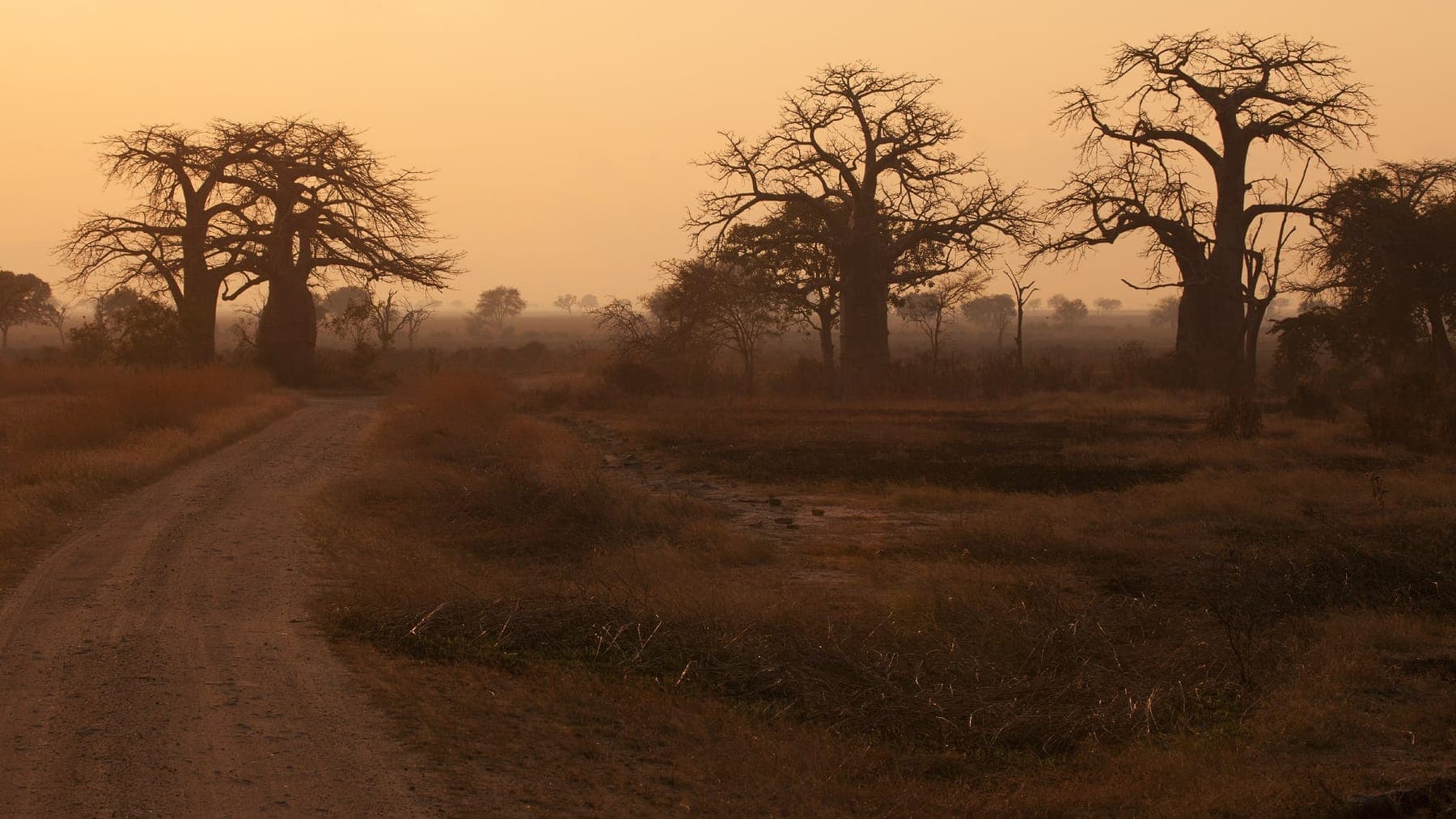
Elephant herds along the river in the dry season, baobab trees and a very long bird list.
Lake Manyara National Park
A Rift Valley lake with flamingos, pelicans and the park's tree-climbing lions.
Lake Eyasi
A remote lake where visits to Hadzabe and Datoga communities can be arranged.
Ruaha and the south
Wild and quiet. Ruaha has big elephant herds, sable antelope and African wild dogs.
Zanzibar
Beaches, Stone Town, diving and snorkelling to finish the trip.
When is the best time to visit Tanzania?
Late June to October is best for most travellers: dry, with animals close to water. It is also the busiest and most expensive time, so book early.
- Jun to Oct: Long dry season. Best tracking, book early
- Nov to Dec: Short rains. Greener, brief showers, good birding
- Jan to Mar: Short dry season. Calving in the southern Serengeti, fewer visitors
- Apr to May: Long rains. Wettest, lowest rates, some camps close
Where is the migration when?
Roughly: January to March in the south around Ndutu, May to July in the west, July to September in the north near the Mara River.
The herds follow the rain, not the calendar. We will tell you when the odds are best, and we will not promise a river crossing.
What do you need to know before you go?
How do you get a visa?
Most visitors apply online through Tanzania's official immigration system before travel. Allow time, and check that your passport has six months' validity.
What's the currency?
The Tanzanian shilling. US dollars are widely used for tourist services, in recent notes. ATMs are in towns, not in the parks.
What languages are spoken?
Swahili and English.
What health steps do you need?
Check yellow fever rules for your route and talk to a doctor about anti-malaria medication well before you fly.
How do you get around?
Northern routes usually start near Kilimanjaro Airport, and flights often land late, so a first night in Arusha is common. You travel in a private 4x4 with a pop-up roof for game viewing.
What should you pack?
Light layers in neutral colours, a warm jacket for early drives and crater mornings, and a hat. Dress modestly in Stone Town and villages. Plastic bags are banned in Tanzania.
What about tips?
Tipping guides and lodge staff is customary.
Tours to Tanzania
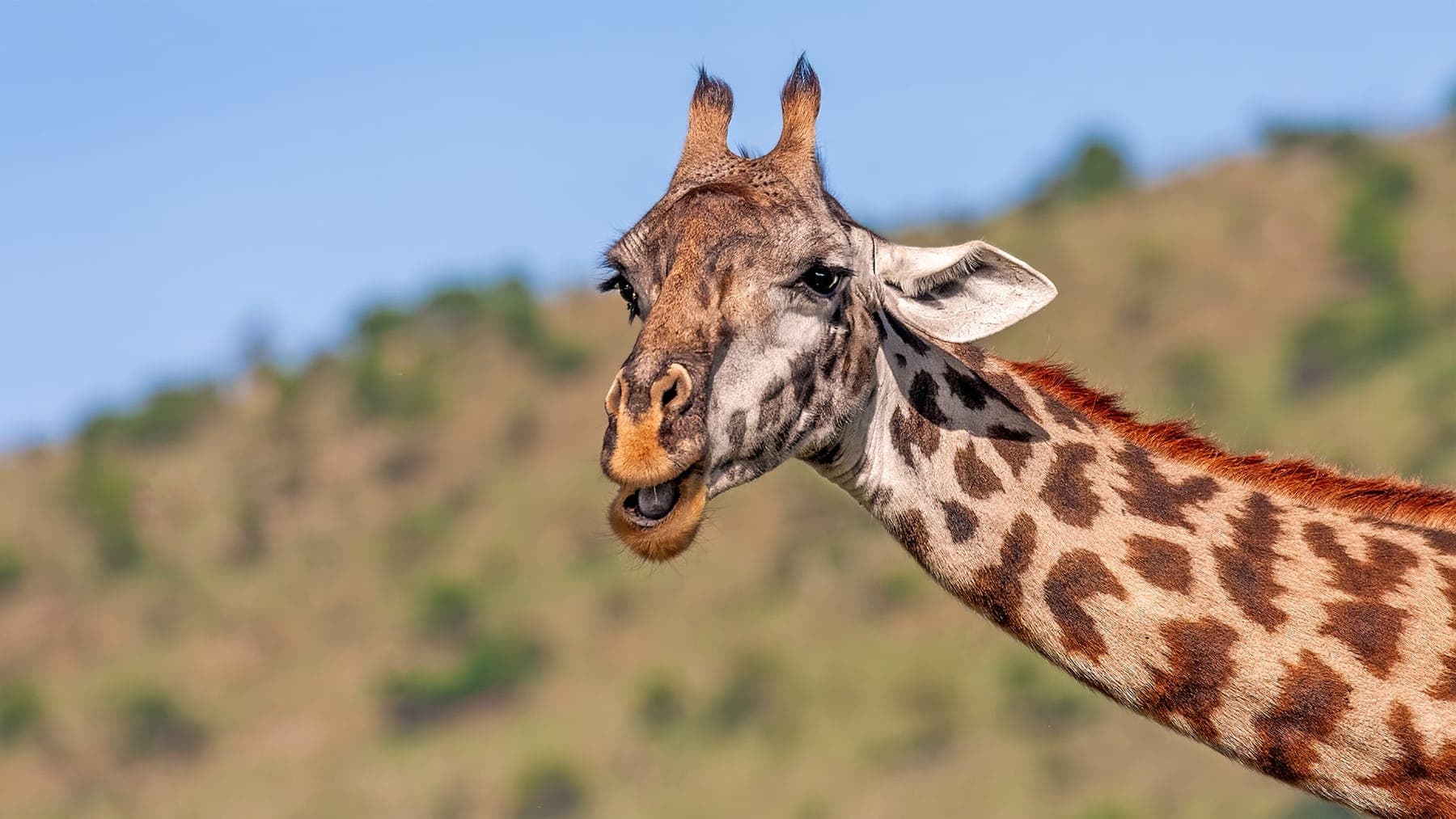
14 days
Complete Northern Tanzania Circuit (14 days)
Every major northern park but Kilimanjaro, plus Mkomazi, Lake Eyasi and Lake Natron. Spend time with the Hadzabe and Datoga and see flamingos below a volcano.
10 days
Serengeti Wildebeest Migration Safari (10 days)
Two full days in the northern Serengeti near the Mara River for the crossings, then the central Serengeti, Ngorongoro Crater, Tarangire and Lake Manyara.
7 days
Southern Tanzania Safari: Mikumi, Ruaha and Udzungwa (7 days)
Mikumi, Ruaha and Udzungwa see far fewer visitors than the north. Look for elephants, lions and possibly wild dogs, then hike through rainforest to Sanje Falls.
8 days
Tanzania Highlights Safari (8 days)
Tarangire, the central Serengeti and the Ngorongoro Crater in eight days. These are the three places most first-time visitors want, at an easy pace.
12 days
Tanzania Safari and Zanzibar Beach (12 days)
Six days on safari in Tarangire, Lake Manyara, the Ngorongoro Crater and the Serengeti, then six days on Zanzibar for beaches, Stone Town and spice farms.
Ready to plan your safari?
Tell us your dates, group and what you want to see
You’ll get a route and a price back, not a template. Planned by the team in Kampala before you land in Entebbe.