In the far north-eastern corner of Uganda, where the borders of South Sudan and Kenya meet, lies one of Africa’s least visited wildernesses—Kidepo Valley National Park. Often described as Uganda’s most remote and open park, Kidepo offers dramatic landscapes and wildlife far from the crowds.
The Road to Kidepo: Adventure Before Arrival
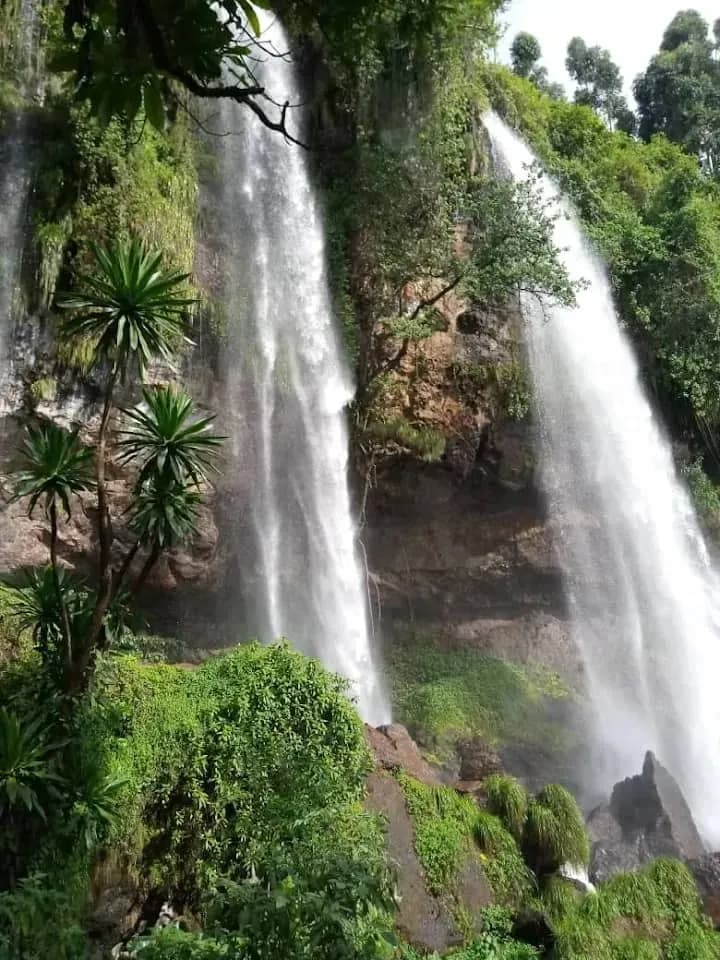
Reaching Kidepo is an adventure in itself. The journey from Kampala or Entebbe takes travelers across vast savannahs, rugged mountains, and traditional rural communities. As the landscape gradually shifts from rolling hills to wide open plains, the sense of entering an quiet wilderness becomes unmistakable.
For many visitors, the long journey is rewarded with a sense of distance—Kidepo remains one of the few parks in Africa where nature still feels truly wild and quiet.
The landscape
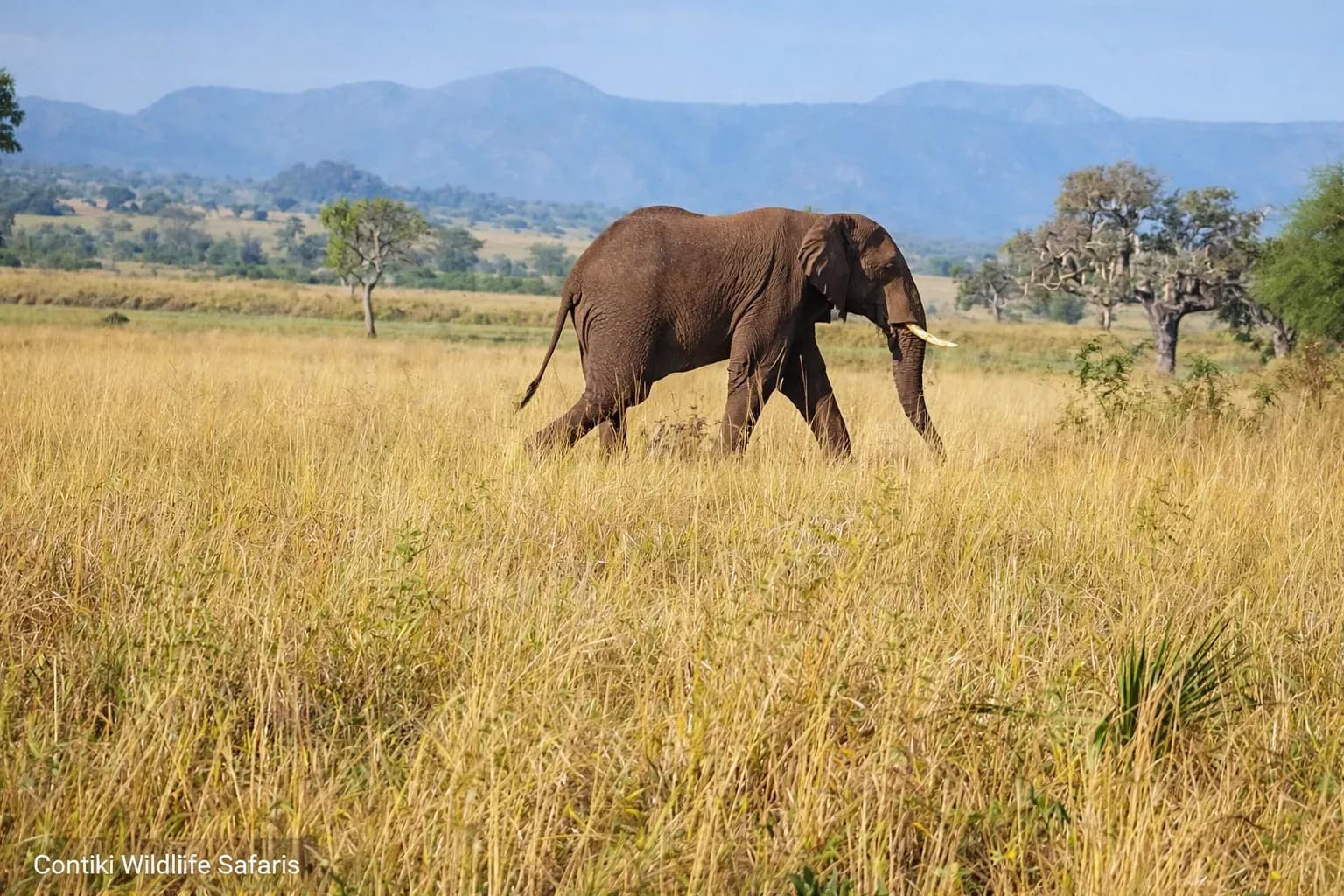
Kidepo Valley National Park is defined by dramatic contrasts. Towering mountain ranges frame expansive plains dotted with acacia trees, seasonal rivers, and rocky outcrops. The Narus Valley, the park’s main wildlife hub, remains lush throughout the year, while the Kidepo Valley itself transforms with the seasons, revealing stark, bare, seasonal scenery.
Wildlife Encounters in the North
Kidepo is home to some of Africa’s most impressive wildlife, including species rarely found in other Ugandan parks. Game drives through the Narus Valley reveal herds of elephants, buffaloes, giraffes, zebras, and antelopes. Predators such as lions, leopards, and cheetahs roam the plains, while spotted hyenas often patrol the landscape at dusk.
The park also boasts over 470 bird species, making it a good country for birdwatchers. Ostriches, secretary birds, and various raptors are among the highlights.
Unlike more crowded parks, wildlife sightings in Kidepo often feel close and unhurried, offering photographers and nature lovers good opportunities.
Cultural Encounters with the Karamojong
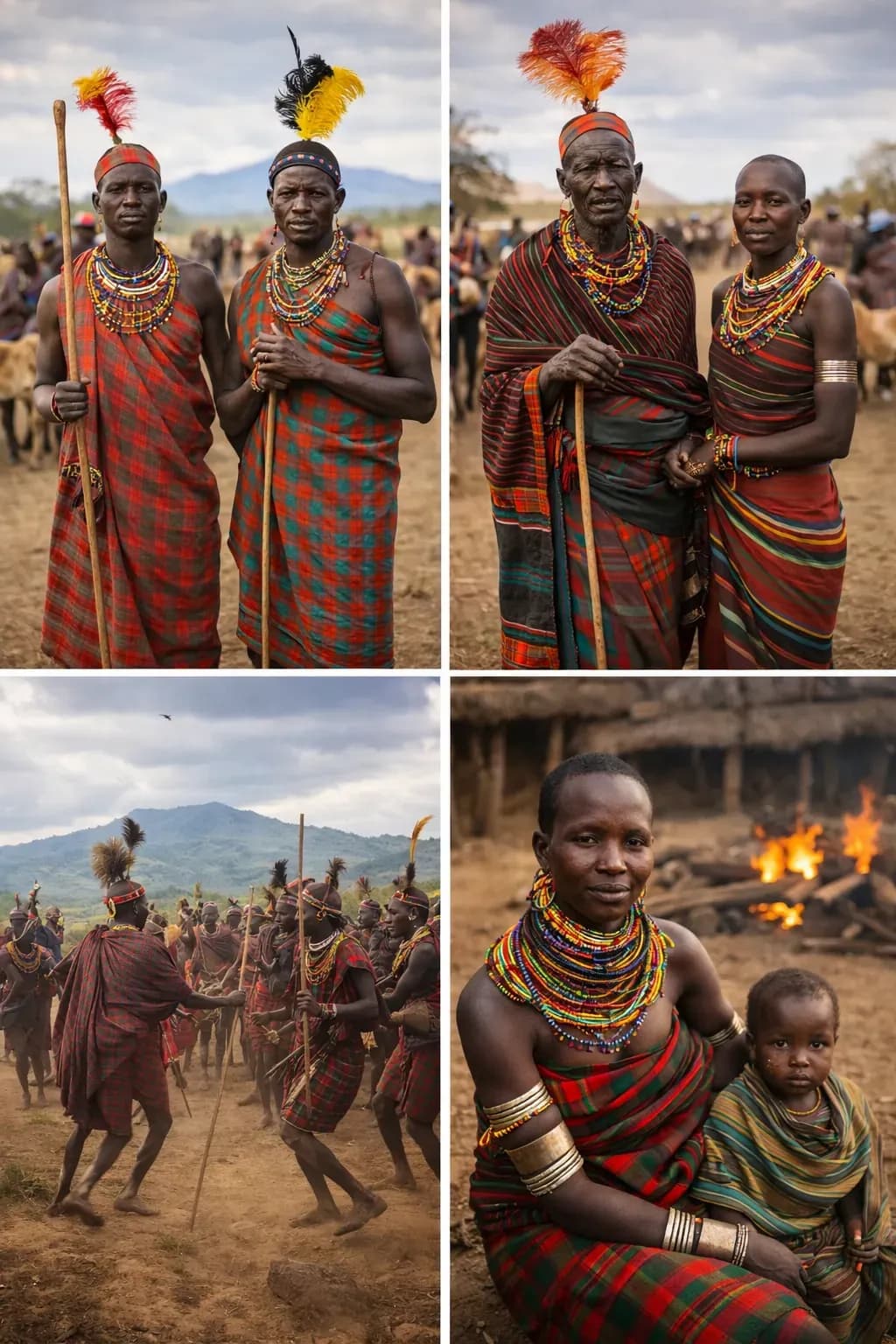
Beyond wildlife, Kidepo offers rich cultural experiences. The surrounding region is home to the Karamojong people, known for their strong traditions, distinctive attire, and pastoral lifestyle. Visiting local manyattas (homesteads) provides insight into their daily lives, cattle culture, and ancient customs.
These cultural interactions add depth to the safari experience, connecting visitors to the human heritage of the region.
Where to stay
Despite its remote location, Kidepo offers a range of accommodation options, from luxury lodges overlooking the plains to comfortable mid-range camps and budget-friendly bandas. Many lodges are strategically positioned to offer panoramic views of wildlife and landscapes, allowing guests to experience nature even from their rooms.
Why Kidepo Should Be on Your Travel List
Kidepo Valley National Park is It is a safari in the far north. For travelers seeking authenticity, solitude, and dramatic natural beauty, Kidepo offers something rare: a safari far from the crowds.
Whether you are a seasoned safari enthusiast or a first-time visitor to Africa, Kidepo is worth the journey.