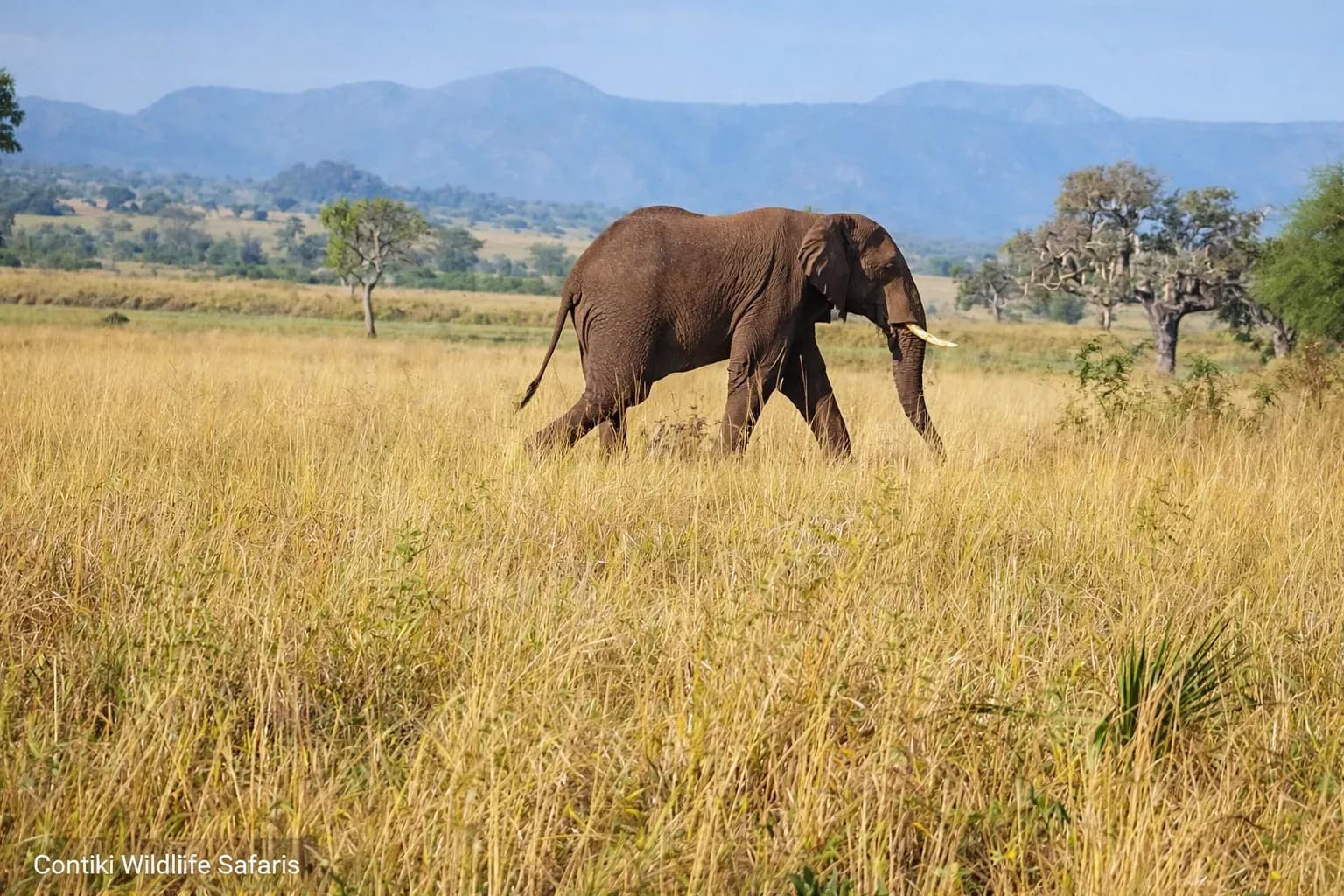
The sun rose slowly over the golden plains of Karamoja, casting long shadows across the dry earth. As the morning breeze carried the distant sound of cowbells, I realized that life here moves to a rhythm far older than modern time. This was my first encounter with the Karamojong people—guardians of one of Uganda’s most enduring cultures.
In the quiet of dawn, men led their cattle across the savannah, their silhouettes framed against the rising sun. For the Karamojong, cattle are more than animals; they are life itself. They represent wealth, identity, and connection to ancestors. Every herd tells a story of family, survival, and pride.
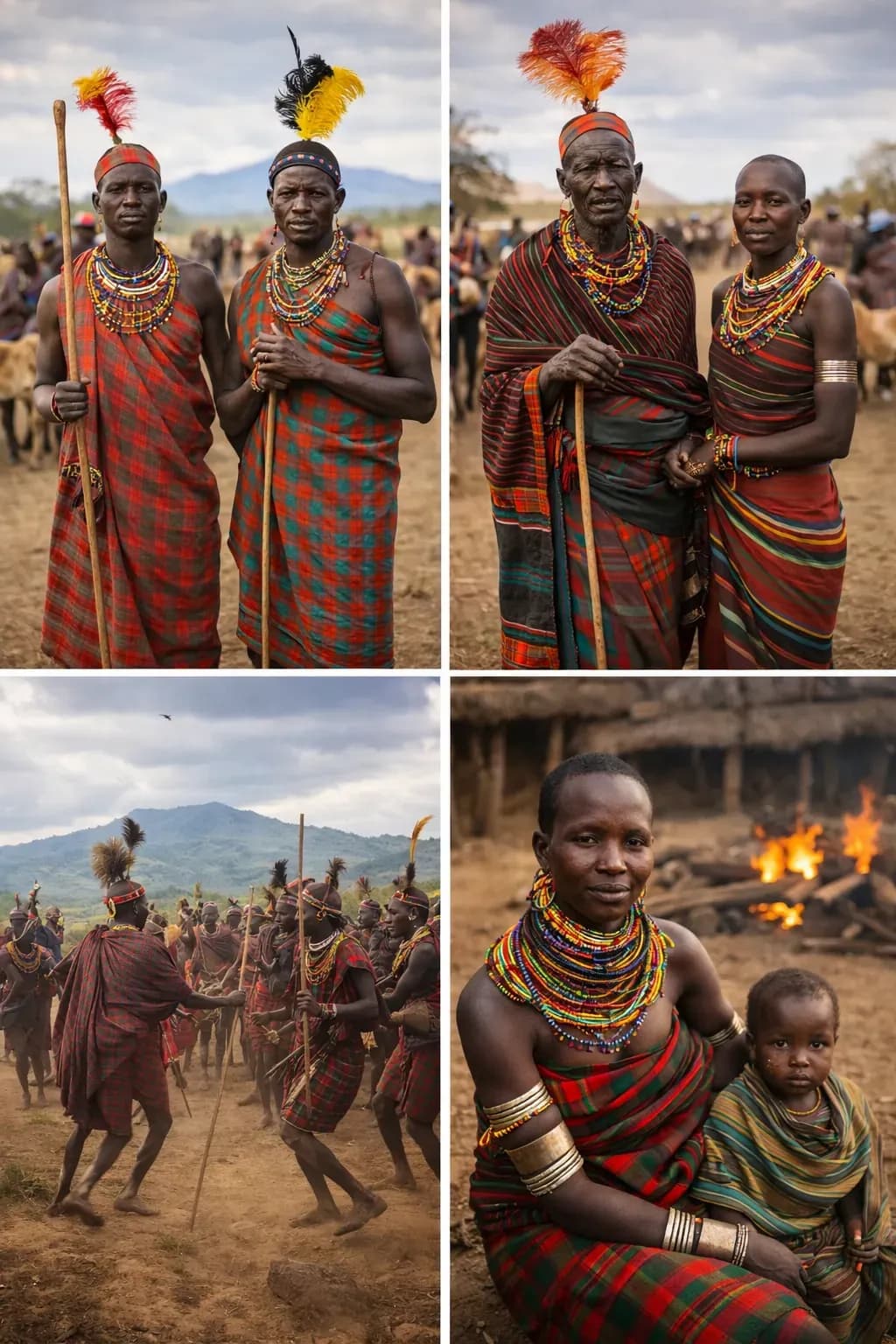
As the day unfolded, I was welcomed into a manyatta, a traditional homestead built from mud, wood, and grass. Women adorned in colourful beads and metal ornaments sat together, their laughter echoing across the village. Each necklace and bracelet carried meaning—symbols of age, status, and beauty. Children played nearby, their curiosity bright, while elders shared stories of the past, preserving wisdom through spoken word.
In the afternoon, the air came alive with music and dance. Young warriors leaped into the air in energetic movements, their feet striking the earth in perfect rhythm. Drums, songs, and chants filled the village, transforming the open plains into a stage of cultural expression. In that moment, it was impossible not to feel the strength of community that binds the Karamojong together.
As the sun set behind distant hills, painting the sky in shades of orange and crimson, I understood that Karamoja is not just a place—it is a living story. The Karamojong people, with their resilience, traditions, and deep connection to land and cattle, embody a culture that has survived centuries of change.
To visit Karamoja is not simply to travel; it is to step into a world where heritage lives, where every song, every dance, and every herd of cattle tells a story. And long after leaving the plains, the spirit of the Karamojong remains with you.